


Key Takeaways
- Family history can raise your risk for glaucoma.
- Genes from both parents can affect eye pressure and drainage.
- Early signs can be subtle, so routine eye exams matter.
- An eye doctor in Bridgeport can track changes and support early care.
Glaucoma is a group of eye conditions that can damage the optic nerve, often due to increased pressure inside the eye. It often has no early symptoms, and it can permanently damage sight. The good news is that early detection through regular eye exams can make a big difference in managing glaucoma.
Yes, your family’s history can play a role in your risk for developing glaucoma, but that doesn’t mean you’re destined to get it if a family member has it. At Precision Eye Care, we want you to understand the risk factors, causes, and types of glaucoma, as well as whether you might benefit from more frequent eye exams than someone without a family history.
Glaucoma and Family Risk
If someone in your family has glaucoma, your risk can be higher. This is especially true if a close relative, like a parent or sibling, has it. This is because your genetics influence a lot about you, including how your eyes manage fluid and pressure.
Glaucoma is often connected to pressure inside the eye. When that pressure rises, it can affect the optic nerve, which sends visual signals to your brain. Your genetic makeup can influence how well your eyes handle that pressure.
How Glaucoma Passes Through Families
Genes from Both Parents
You inherit traits from both sides of your family, and eye health is no different. Several genes work together to influence how fluid drains from your eye, which is why glaucoma doesn’t follow a simple pattern. You may not see it in every generation, but the genes that can increase the risk of glaucoma are still there.
Why You May Be First
You might be the first person in your family to receive a glaucoma diagnosis. That can feel confusing, but it can happen more often than expected. This could be because:
- Past cases of glaucoma may have gone undiagnosed
- Not everyone with glaucoma has a known family history
- A mix of inherited traits can raise your risk
Earlier generations may not have had access to regular eye exams. Today, modern screenings can detect changes sooner, often through tools like eye pressure testing that help catch warning signs.
Other Risk Factors You Should Know
Family history is only 1 piece of the puzzle, as other factors can also influence your risk. For example, diabetes can affect your eyes over time, which is why diabetic eye exams are an important part of long-term eye health.
Other risk factors can include:
- Being over 40 increases the chance of developing glaucoma
- Health conditions like diabetes or high blood pressure
- Ethnicity
Because these factors can combine with genetics, regular eye exams matter, even if your vision feels fine. A comprehensive eye exam can reveal changes that you haven’t noticed yet.
Early Signs and What to Watch
First Signs of Glaucoma
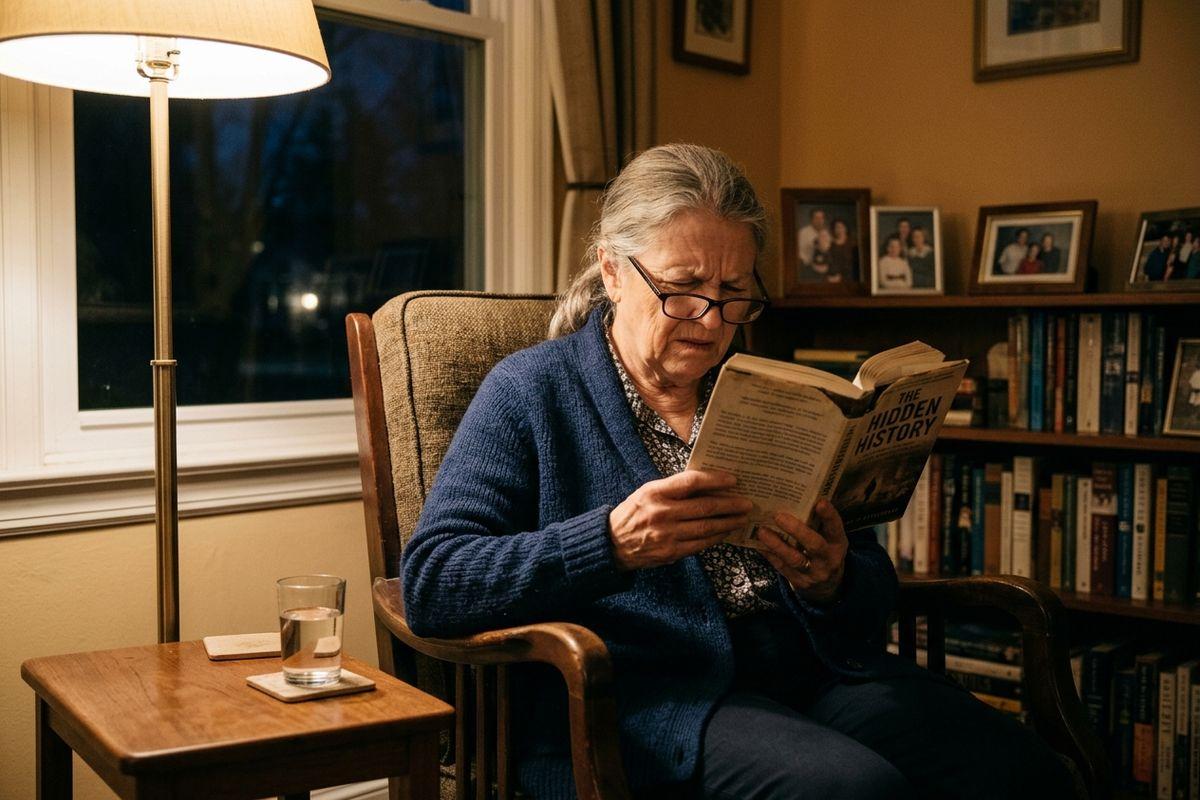
Glaucoma can develop slowly. In its early stages, glaucoma may have no symptoms at all, but as it progresses, you may notice:
- Blurred or reduced side vision
- Halos around lights, especially at night
- Difficult adjusting to low-light or dark environments
If you notice any of these signs, it’s worth scheduling an eye exam with a professional.
Main Cause of Glaucoma
Inside your eye, you have fluid that nourishes and supports the structures there. This fluid flows in and out to maintain stable pressure, but when that system doesn’t work as designed, the fluid pressure can build and damage the optic nerve.
In some kinds of glaucoma, this process is gradual. That is why early tracking plays such an important role in protecting your vision. Ongoing care through eye disease diagnosis and management can help monitor these changes over time.
Eye Exams and Your Next Steps
If glaucoma runs in your family, your eye exam should include more than a vision check. The eye doctor can assess eye pressure, optic nerve health, and drainage angles.
During your next eye exam, make sure to share your family history with your eye doctor. Always tell them about conditions that run in your family, even if you’re not sure that they’re relevant, because they might affect more than you think.
Schedule Your Next Visit
At Precision Eye Care, Dr. Barnes and our team take time to understand everything about you, from your family history to your daily needs. Schedule an appointment to stay ahead of changes and keep your vision on track.